

STORY OF MINE AND MY NEPHEWS LIVES
Here is a book-like story inspired by the content and personal narrative presented on curtisscotthansen.com, along with the associated investigative reports. It is written as a work of fiction, dramatizing the real events, people, and themes into a cohesive narrative of injustice, family, coercion, and the long fight for redemption.
Chapter 1: The Boy Who Lost Everything
Curtis Scott Hansen was seventeen when the world cracked open beneath him.
He had never asked for much. Raised by the only mother he truly knew—Mary Audrey Hellwege, the woman who took him in after his biological mother gave him up at age two—Curtis grew up in a crowded but lively St. Louis household. Mary’s son, Clinton F. Britton, was like a big brother to him. When Mary died in 1985, the house felt emptier, the future narrower. Curtis dropped out of school at sixteen, found work flipping burgers and cleaning fish at Fresh Fish Inc., and tried to build something solid with his own hands.
He loved his family fiercely, especially the little ones—his nephews Charles, Jason, and Clinton Britton. They were just kids back then, running through the house with scraped knees and loud laughter. Curtis never lived with them long after Mary’s death, but the bond felt real. Blood, or something close enough.
Then one ordinary afternoon in 1988, two detectives from the St. Louis City Sex Crimes Unit showed up at his job. They pulled him into a room and told him a story that made no sense.
“You molested your nephews,” they said.
Curtis stared at them, heart hammering. “What? No. I would never. My nephews would never say that.”
Detective Gary Guinn leaned in, voice almost fatherly. “It happens to a lot of us, son. Just tell me you did it and we can make this easy.”
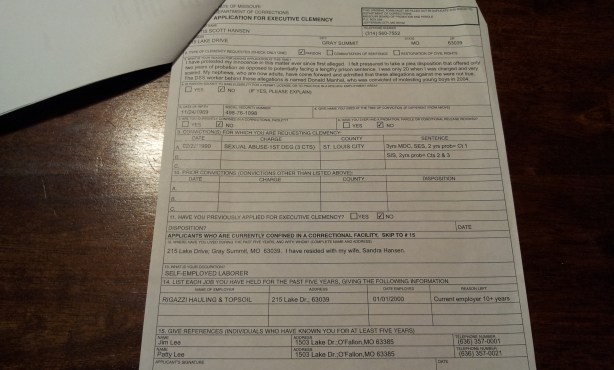
Curtis refused. He signed what they called a summary of the conversation, still believing the truth would protect him. Hours later, he was in handcuffs, charged with three counts of sodomy.
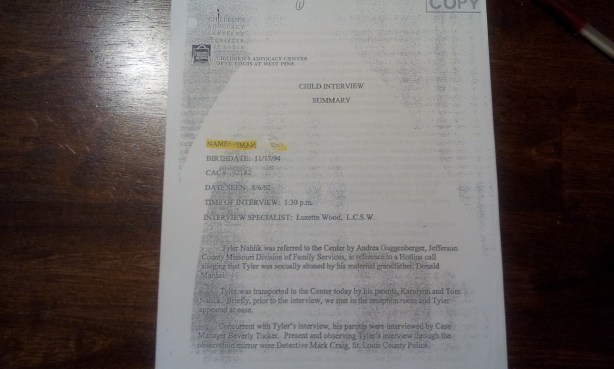
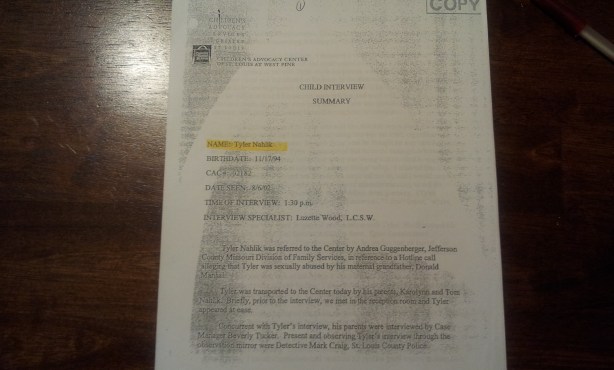
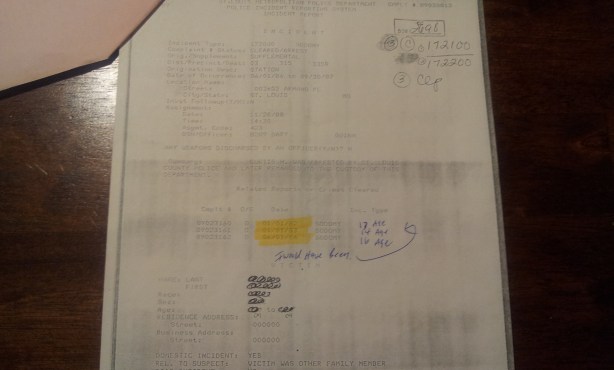
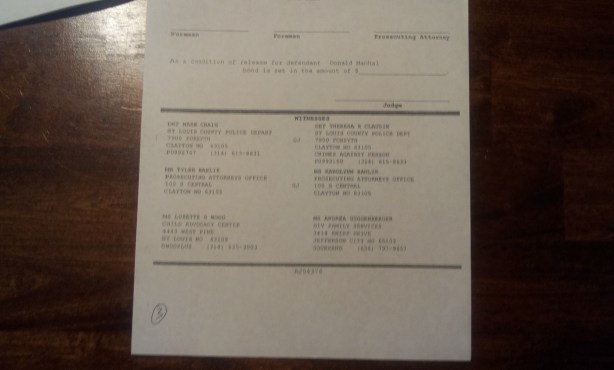
The dates on the paperwork were fuzzy—shifted just enough to make him an adult offender instead of the thirteen-year-old boy he would have been at the time of the supposed acts. The boys had been removed from their home for truancy and placed in foster care under a Division of Family Services worker named Donald Manhal. Somehow, Curtis’s name had surfaced.
He spent two weeks in jail before bonding out. The case dragged for two years. His public defender was blunt: “Put three kids on the stand saying you touched them, and the jury will convict you whether it’s true or not. Take the plea. Three years probation. It’s the smart move.”
Terrified of thirty years behind bars, nineteen-year-old Curtis took the deal. He had no money for a better lawyer. No one to guide him. He never understood that the plea would chain him for life as a registered sex offender.
Chapter 2: The Man in the Shadows
Donald Manhal wore the uniform of a helper—caseworker for lost children. But behind closed doors, he was something else.
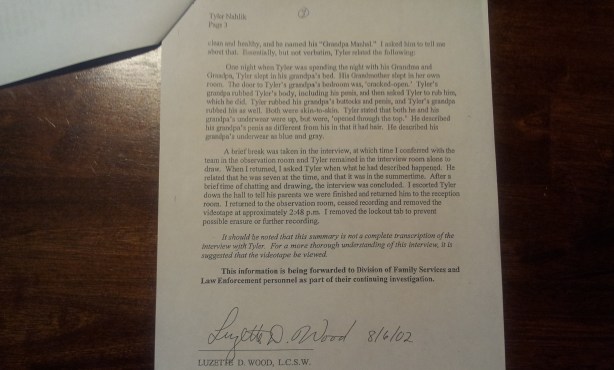
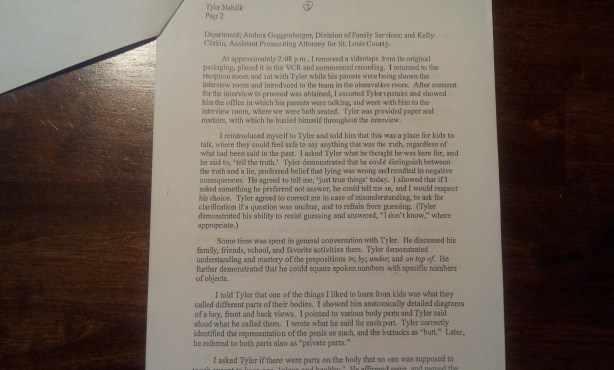
The three Britton brothers—eight, nine, and ten years old—had been scared and homesick in foster care. Manhal drove them around in his car, talking to them about sex in ways that made their stomachs turn. He told them stories. He asked questions no child should answer. When they insisted nothing bad had happened at home, he grew impatient.
“You want to go back to your dad? Then give me a name. Anyone. Someone who touched you.”
The boys resisted for over a year. Manhal promised cookies, money, and most of all—home. Finally, exhausted and manipulated, they gave him the name he wanted: Uncle Scotty. Curtis. The uncle who had lived with their grandmother years earlier.
Manhal coached them on what to say to the grand jury. He scripted every detail. The boys testified, and the system believed them.
Years later, the truth would surface in a lawyer’s office, captured on video. Charles, Jason, and Clinton—now grown men—sat before the camera and spoke under oath.
“It never happened,” one said, voice cracking. “We were just kids who wanted to go home.”
Another added, “He told us what to say. He said if we didn’t, we’d never see our family again.”
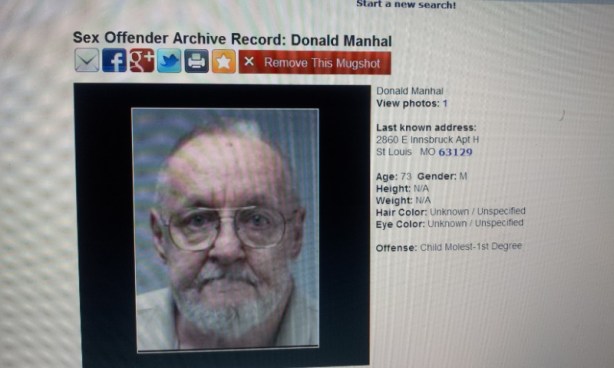
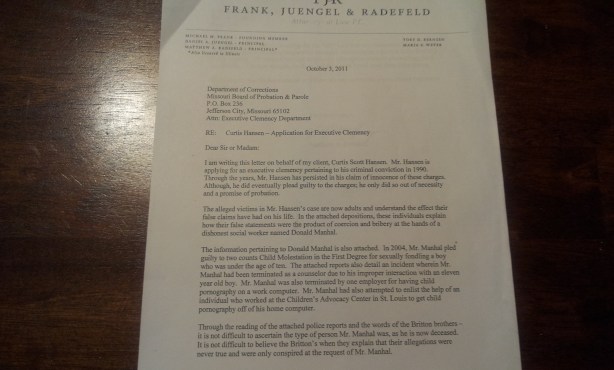
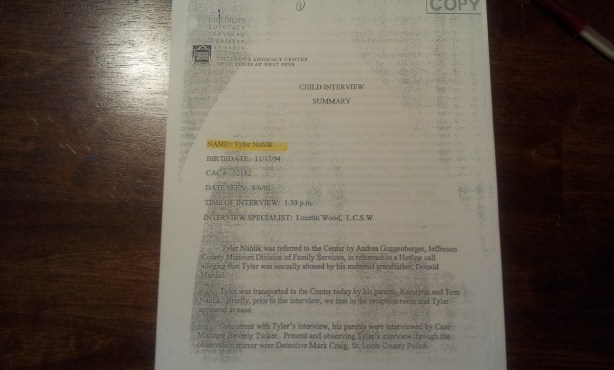
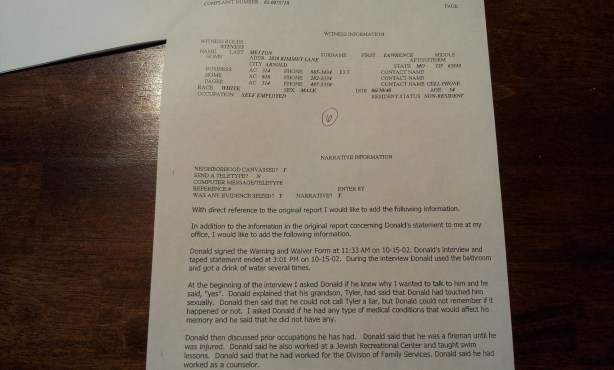
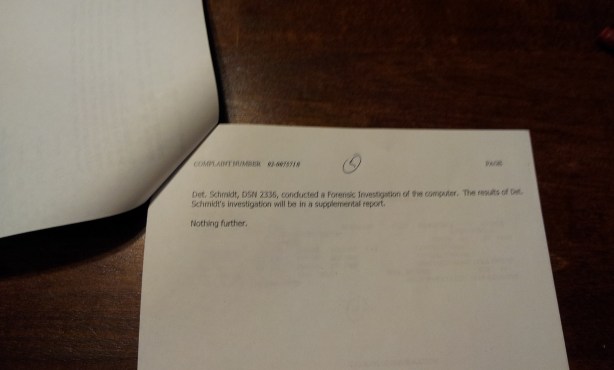
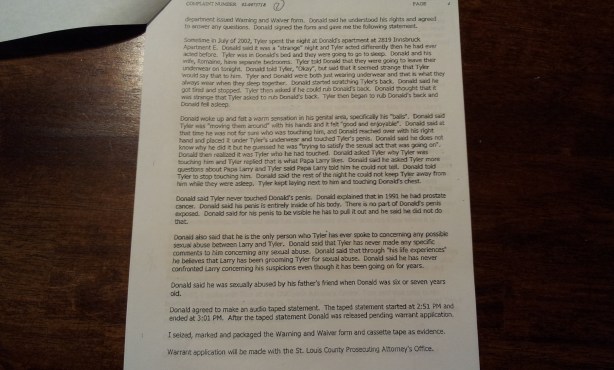
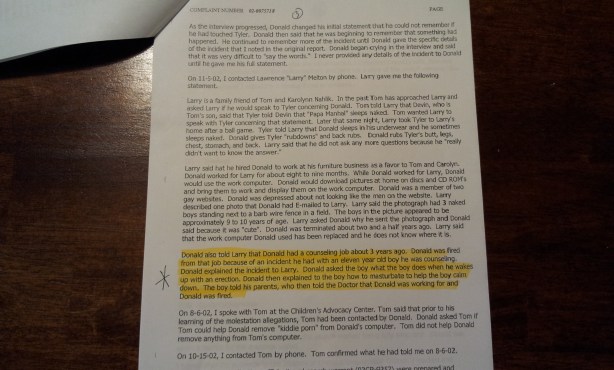
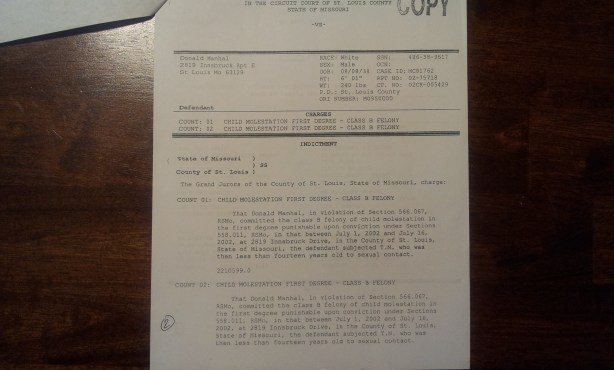
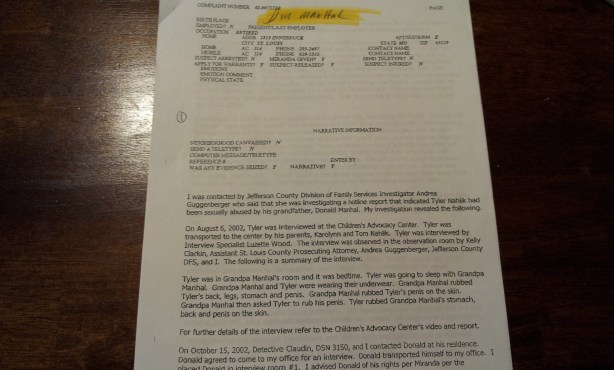
Donald Manhal’s own darkness eventually caught up with him. He was convicted of molesting his own grandson and died in prison in 2010. Co-workers had found child pornography on his computer. He had lost previous jobs over inappropriate behavior with boys. Yet for years, the state had trusted him with vulnerable children.
Chapter 3: The Invisible Prison
Curtis tried to rebuild.
He worked hard, stayed out of trouble for more than three decades. He fell in love, married Sandy, and became a father. His daughters adored him. To them, he was simply Dad—kind, present, protective.
But the label followed him everywhere.
He couldn’t attend his children’s school events. Theme parks turned him away. Passports were denied under new laws. Neighbors whispered. Jobs slipped through his fingers. Every time he thought the past was behind him, a new consequence appeared like a fresh wound.
He ran into his nephews one day years after the plea. They looked at him with shame in their eyes.
“Hey, Uncle Scotty… we’re sorry,” one of them said quietly. “We were manipulated.”
Curtis felt the ground shift again—not with rage, but with a deep, aching sorrow. The boys had been victims too. Of a system that failed them. Of a predator wearing the badge of protector.
In 2007, the nephews gave sworn video statements recanting everything. The evidence was overwhelming: no pattern of behavior from Curtis, no other accusations in thirty-plus years, clear proof of coercion, and Manhal’s own criminal history.
Curtis fought. He saved money with Sandy. He filed for a pardon. He spoke to reporters.
A Fox 2 investigative report by Chris Hayes laid the story bare. The nephews spoke on camera: “It never happened.” Clinton Britton, voice thick with regret, said he would have done anything as a scared child to go home.
Still, the registry remained. An invisible prison with no bars, only stares and restrictions.
Chapter 4: The Long Road to Light
By the time the Conviction Integrity Unit of the St. Louis Circuit Attorney’s Office began reviewing the case years later, one of the nephews, Clinton, had passed away. The surviving brothers stood by their recantations. Attorneys who had known Manhal called him a predator who preyed on little boys.
Curtis sat with his wife, hands trembling as he spoke to the camera again.
“You could literally give a person back their life.”
He dreamed of simple things most people took for granted: traveling without fear, watching his grandchildren play without being told he wasn’t allowed on school grounds, walking through a park without the weight of a label that never belonged to him.
The fight had lasted more than thirty-five years. A boy of seventeen had become a man carrying a burden that was never his.
On his website, he laid everything bare—the videos, the documents, the pleas from family and friends who had always known the truth in their hearts. Supporters left comments calling him a good father, a kind man, a victim of monstrous injustice.
“Shame on the system,” one sister wrote. “He never deserved this.”
Epilogue: A Prayer for Pardon
Curtis Scott Hansen still waits.
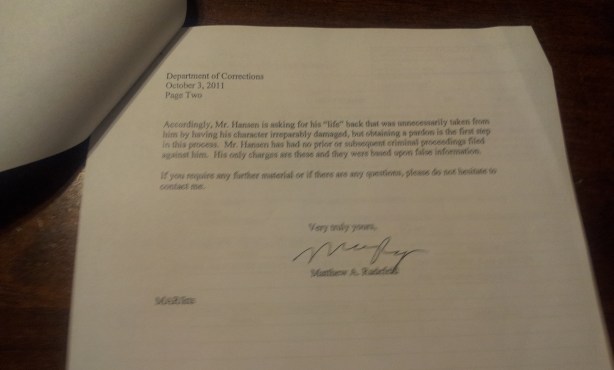
Not for fame or fortune, but for the simple mercy of having his name cleared. For the state to look at the videos, the recantations, the corrupt caseworker’s own crimes, and say: We were wrong.
He is not asking to rewrite history. He is asking history to stop punishing an innocent man.
Somewhere in St. Louis, a family torn apart by lies hopes for healing. A man who lost his youth to fear and his adulthood to a lie still believes in justice—however late it may come.
Because some stories are not about monsters hiding in the dark.
They are about good men forced to live in the shadow of someone else’s darkness—and the long, stubborn fight to step back into the light.
This story captures the essence of the personal account, family dynamics, coercion by the caseworker, the plea deal, the recantations, the investigative reporting, and the ongoing quest for a pardon as presented across the website and related sources. It is told with compassion for all involved, especially the children who were manipulated and the man who has borne the consequences for decades.
Here is a book-like story inspired by the content and personal narrative presented on curtisscotthansen.com, along with the associated investigative reports. It is written as a work of fiction, dramatizing the real events, people, and themes into a cohesive narrative of injustice, family, coercion, and the long fight for redemption.
Chapter 1: The Boy Who Lost Everything
Curtis Scott Hansen was seventeen when the world cracked open beneath him.
He had never asked for much. Raised by the only mother he truly knew—Mary Audrey Hellwege, the woman who took him in after his biological mother gave him up at age two—Curtis grew up in a crowded but lively St. Louis household. Mary’s son, Clinton F. Britton, was like a big brother to him. When Mary died in 1985, the house felt emptier, the future narrower. Curtis dropped out of school at sixteen, found work flipping burgers and cleaning fish at Fresh Fish Inc., and tried to build something solid with his own hands.
He loved his family fiercely, especially the little ones—his nephews Charles, Jason, and Clinton Britton. They were just kids back then, running through the house with scraped knees and loud laughter. Curtis never lived with them long after Mary’s death, but the bond felt real. Blood, or something close enough.
Then one ordinary afternoon in 1988, two detectives from the St. Louis City Sex Crimes Unit showed up at his job. They pulled him into a room and told him a story that made no sense.
“You molested your nephews,” they said.
Curtis stared at them, heart hammering. “What? No. I would never. My nephews would never say that.”
Detective Gary Guinn leaned in, voice almost fatherly. “It happens to a lot of us, son. Just tell me you did it and we can make this easy.”
Curtis refused. He signed what they called a summary of the conversation, still believing the truth would protect him. Hours later, he was in handcuffs, charged with three counts of sodomy.
The dates on the paperwork were fuzzy—shifted just enough to make him an adult offender instead of the thirteen-year-old boy he would have been at the time of the supposed acts. The boys had been removed from their home for truancy and placed in foster care under a Division of Family Services worker named Donald Manhal. Somehow, Curtis’s name had surfaced.
He spent two weeks in jail before bonding out. The case dragged for two years. His public defender was blunt: “Put three kids on the stand saying you touched them, and the jury will convict you whether it’s true or not. Take the plea. Three years probation. It’s the smart move.”
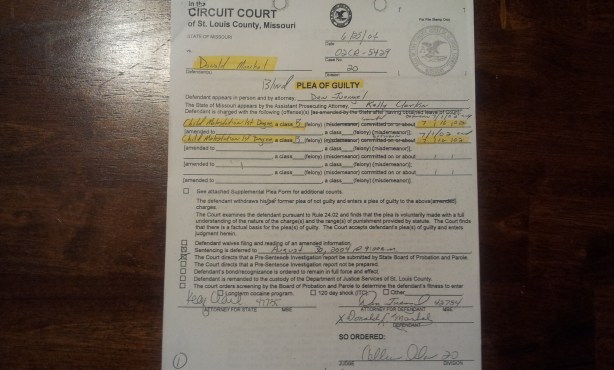
Terrified of thirty years behind bars, nineteen-year-old Curtis took the deal. He had no money for a better lawyer. No one to guide him. He never understood that the plea would chain him for life as a registered sex offender.
Chapter 2: The Man in the Shadows
Donald Manhal wore the uniform of a helper—caseworker for lost children. But behind closed doors, he was something else.
The three Britton brothers—eight, nine, and ten years old—had been scared and homesick in foster care. Manhal drove them around in his car, talking to them about sex in ways that made their stomachs turn. He told them stories. He asked questions no child should answer. When they insisted nothing bad had happened at home, he grew impatient.
“You want to go back to your dad? Then give me a name. Anyone. Someone who touched you.”
The boys resisted for over a year. Manhal promised cookies, money, and most of all—home. Finally, exhausted and manipulated, they gave him the name he wanted: Uncle Scotty. Curtis. The uncle who had lived with their grandmother years earlier.
Manhal coached them on what to say to the grand jury. He scripted every detail. The boys testified, and the system believed them.
Years later, the truth would surface in a lawyer’s office, captured on video. Charles, Jason, and Clinton—now grown men—sat before the camera and spoke under oath.
“It never happened,” one said, voice cracking. “We were just kids who wanted to go home.”
Another added, “He told us what to say. He said if we didn’t, we’d never see our family again.”
Donald Manhal’s own darkness eventually caught up with him. He was convicted of molesting his own grandson and died in prison in 2010. Co-workers had found child pornography on his computer. He had lost previous jobs over inappropriate behavior with boys. Yet for years, the state had trusted him with vulnerable children.
Chapter 3: The Invisible Prison
Curtis tried to rebuild.
He worked hard, stayed out of trouble for more than three decades. He fell in love, married Sandy, and became a father. His daughters adored him. To them, he was simply Dad—kind, present, protective.
But the label followed him everywhere.
He couldn’t attend his children’s school events. Theme parks turned him away. Passports were denied under new laws. Neighbors whispered. Jobs slipped through his fingers. Every time he thought the past was behind him, a new consequence appeared like a fresh wound.
He ran into his nephews one day years after the plea. They looked at him with shame in their eyes.
“Hey, Uncle Scotty… we’re sorry,” one of them said quietly. “We were manipulated.”
Curtis felt the ground shift again—not with rage, but with a deep, aching sorrow. The boys had been victims too. Of a system that failed them. Of a predator wearing the badge of protector.
In 2007, the nephews gave sworn video statements recanting everything. The evidence was overwhelming: no pattern of behavior from Curtis, no other accusations in thirty-plus years, clear proof of coercion, and Manhal’s own criminal history.
Curtis fought. He saved money with Sandy. He filed for a pardon. He spoke to reporters.
A Fox 2 investigative report by Chris Hayes laid the story bare. The nephews spoke on camera: “It never happened.” Clinton Britton, voice thick with regret, said he would have done anything as a scared child to go home.
Still, the registry remained. An invisible prison with no bars, only stares and restrictions.
Chapter 4: The Long Road to Light
By the time the Conviction Integrity Unit of the St. Louis Circuit Attorney’s Office began reviewing the case years later, one of the nephews, Clinton, had passed away. The surviving brothers stood by their recantations. Attorneys who had known Manhal called him a predator who preyed on little boys.
Curtis sat with his wife, hands trembling as he spoke to the camera again.
“You could literally give a person back their life.”
He dreamed of simple things most people took for granted: traveling without fear, watching his grandchildren play without being told he wasn’t allowed on school grounds, walking through a park without the weight of a label that never belonged to him.
The fight had lasted more than thirty-five years. A boy of seventeen had become a man carrying a burden that was never his.
On his website, he laid everything bare—the videos, the documents, the pleas from family and friends who had always known the truth in their hearts. Supporters left comments calling him a good father, a kind man, a victim of monstrous injustice.
“Shame on the system,” one sister wrote. “He never deserved this.”
Epilogue: A Prayer for Pardon
Curtis Scott Hansen still waits.
Not for fame or fortune, but for the simple mercy of having his name cleared. For the state to look at the videos, the recantations, the corrupt caseworker’s own crimes, and say: We were wrong.
He is not asking to rewrite history. He is asking history to stop punishing an innocent man.
Somewhere in St. Louis, a family torn apart by lies hopes for healing. A man who lost his youth to fear and his adulthood to a lie still believes in justice—however late it may come.
Because some stories are not about monsters hiding in the dark.
They are about good men forced to live in the shadow of someone else’s darkness—and the long, stubborn fight to step back into the light.
This story captures the essence of the personal account, family dynamics, coercion by the caseworker, the plea deal, the recantations, the investigative reporting, and the ongoing quest for a pardon as presented across the website and related sources. It is told with compassion for all involved, especially the children who were manipulated and the man who has borne the consequences for decades.


 Pardon Curtis Scott Hansen